
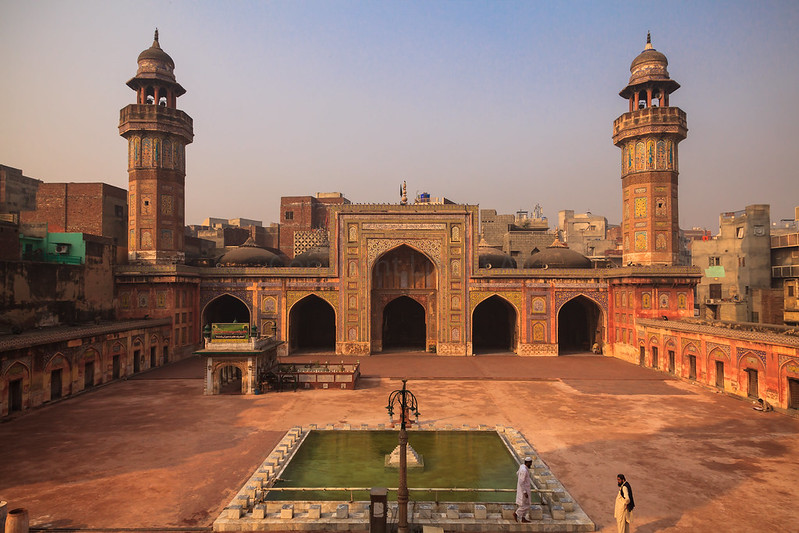
 The Wazir Khan Mosque (Punjabi/Urdu: مسجد وزیر خان Masjid Wazīr Khān) in Lahore, Pakistan, is famous for its extensive faience tile work. It has been described as 'a mole on the cheek of Lahore'. It was built in seven years, starting around 1634–1635 AD, during the reign of the Mughal Emperor Shah Jehan. It was built by Hakim Shaikh Ilm-ud-din Ansari, a native of Chiniot, who rose to be the court physician to Shah Jahan and a governor of Lahore. He was commonly known as Wazir Khan, a popular title bestowed upon him (the word Wazir means 'minister' in Urdu and Persian). The mosque is inside the Inner City and is easiest accessed from Delhi Gate. The mosque contains some of the finest examples of Qashani tile work from the Mughal period.
Tomb of Bagam Sharf-un-Nisa
This article was published in Sunday magazine of Daily Waqt, Lahore dated Sept 02, 2012.


The tomb of Anar Kali
This post was published in Daily WAQT, sunday magazine dated October 21, 2012


Dehli Gate | Downtown Lahore
This article was published in Daily Waqt, Sunday magazine, dated October 14, 2012.

Tomb of Ali Mardan Khan
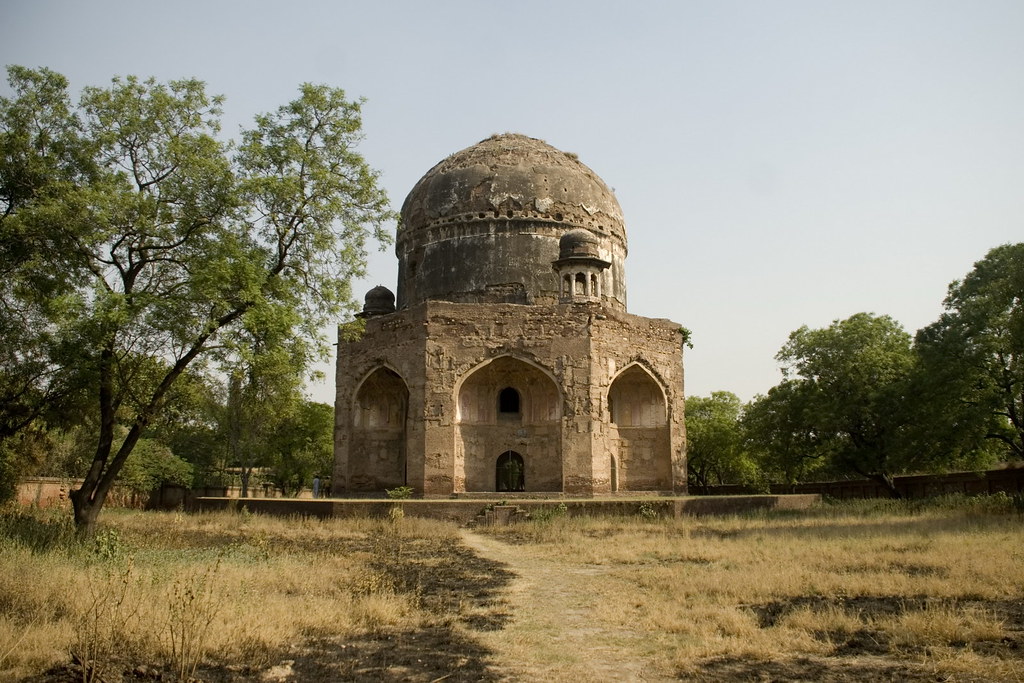
Ali Mardan Khan's tomb is located on G.T. Road,near Mughalpura, Lahore. The surroundings of this tomb is under the jurisdiction of Pakistan Railways, who have granted the Archaeology department an enclosed walkway for access to the tomb. To reach the antediluvian tomb , you have to follow the walkway till you reach to a gate beyond which, in a walled space stands the astounding tomb of Mughal Governor.